

How Blockchain + AI Will Reshape Supply Chain in 2026
Introduction
In 2026, the supply chain is no longer just about moving products from point A to point B. It has become a complex digital ecosystem driven by two transformative technologies: blockchain and artificial intelligence (AI). Together, they are solving long-standing issues of transparency, efficiency, and trust, while setting a new global standard for logistics and trade.
1. The Power of Transparency
Blockchain ensures that every product, shipment, and transaction has a verifiable record. By 2026, supply chains use blockchain to track goods in real time, from raw materials to the customer’s doorstep. This visibility reduces fraud, builds trust, and improves compliance across industries.
2. AI as the Brain of the Supply Chain
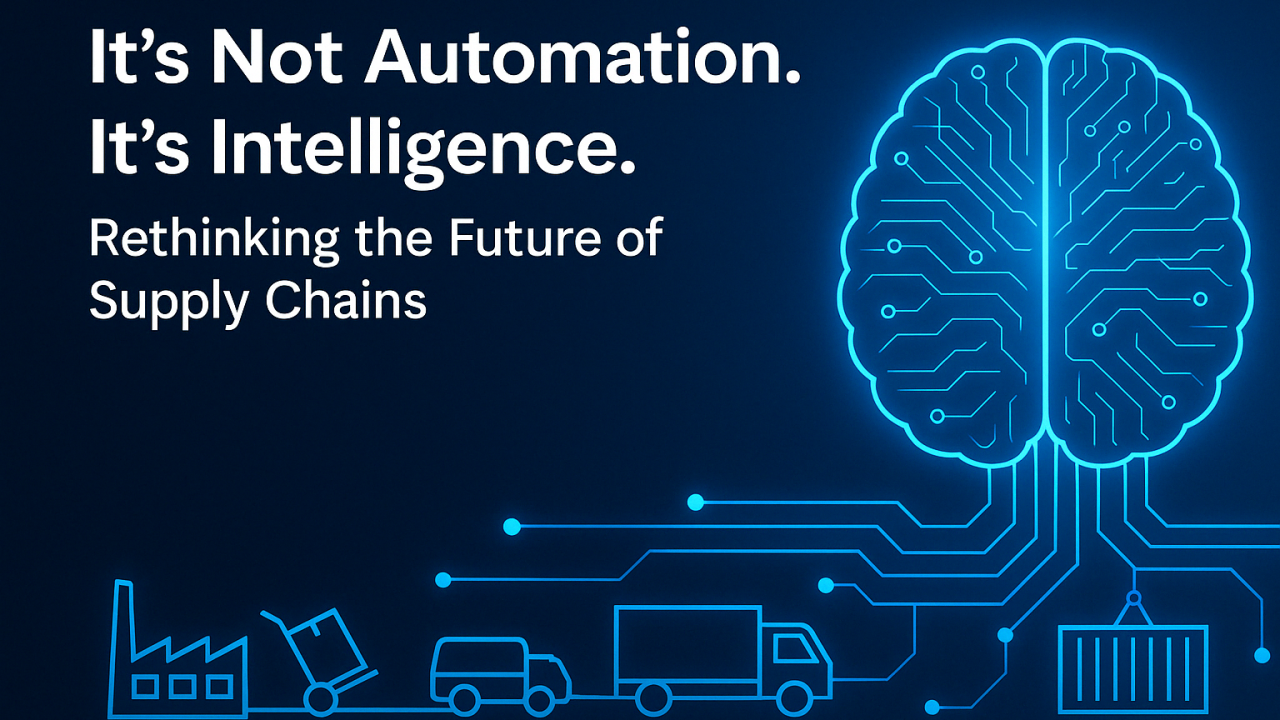
While blockchain provides transparency, AI delivers intelligence. Enterprises in 2026 rely on AI algorithms to predict demand, optimize delivery routes, and identify risks before they escalate. Together, AI and blockchain form a system that is both transparent and self-optimizing.
3. Eliminating Counterfeit Products

Counterfeiting costs billions annually, but blockchain combined with AI authentication tools is rewriting the rules. From pharmaceuticals to luxury goods, every item can now be digitally verified. AI detects anomalies, while blockchain ensures that verification data cannot be altered.
4. Smarter Contracts for Smarter Logistics
Smart contracts powered by blockchain are automating agreements across supply chains. In 2026, payments are triggered automatically when conditions are met—such as a shipment arriving on time. This reduces disputes, eliminates delays, and increases trust between partners.
5. Sustainability and Ethical Sourcing
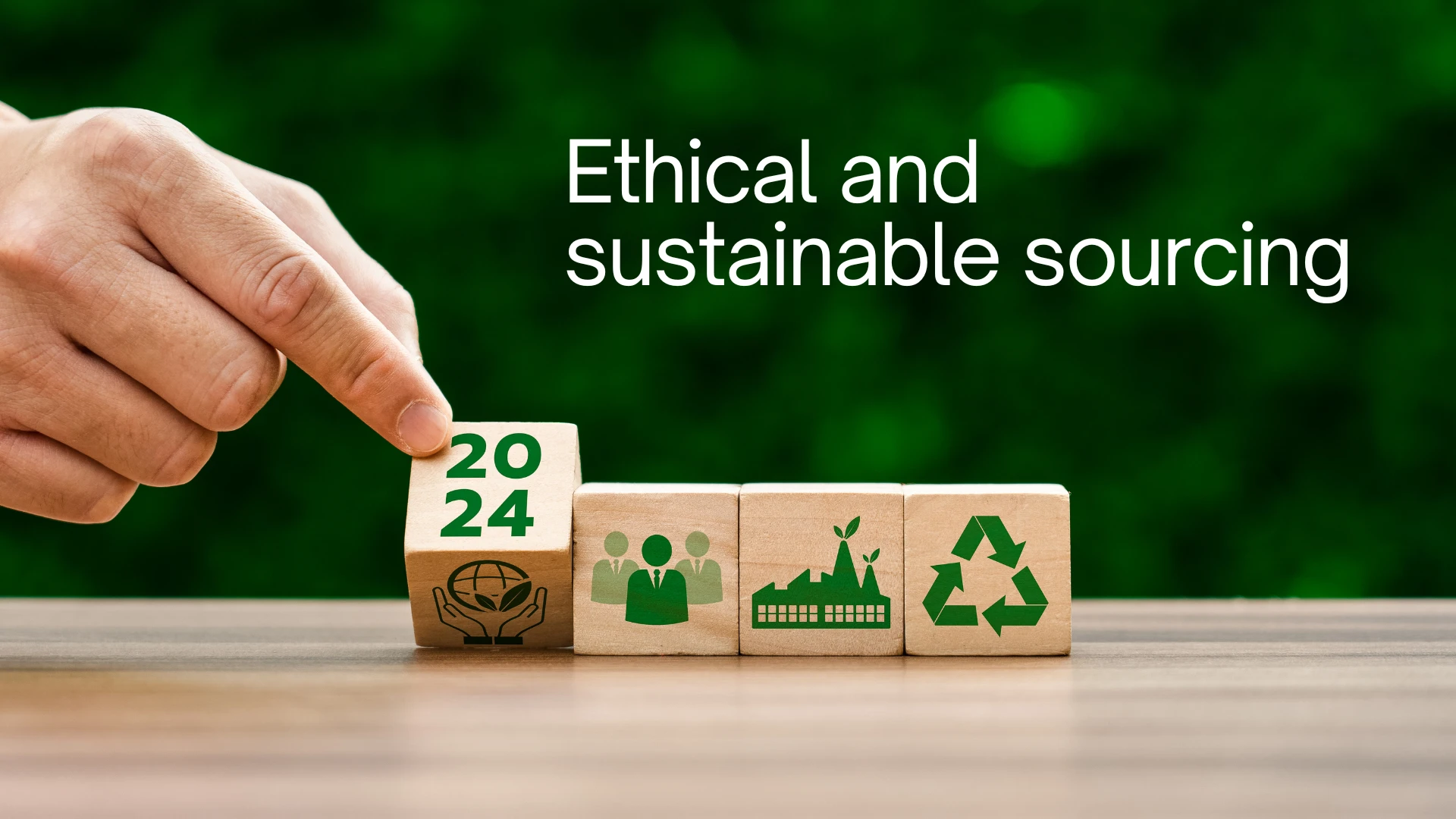
Consumers demand ethical and eco-friendly products. Blockchain records prove whether materials were sourced sustainably, while AI analyzes the environmental impact of each step in the supply chain. This combination helps companies meet sustainability goals and win customer loyalty.
6. Regulation and Global Compliance
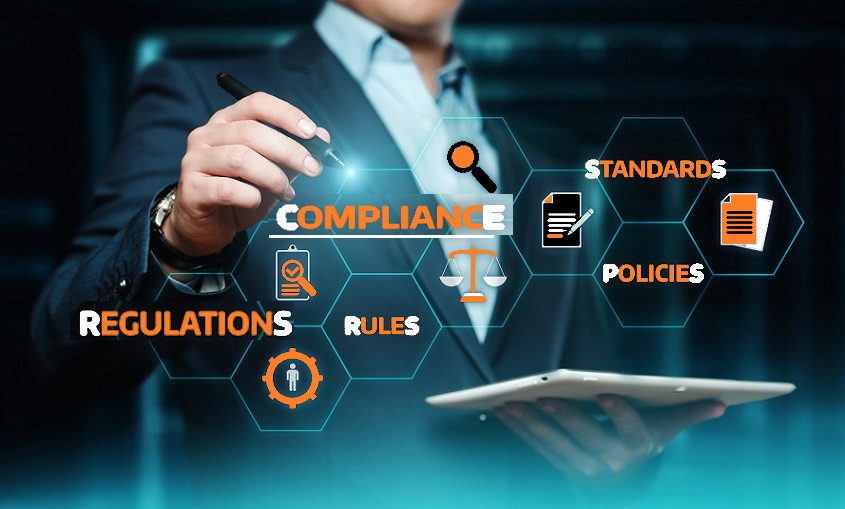
As supply chains cross borders, compliance becomes critical. In 2026, blockchain ensures accurate reporting for customs, taxes, and environmental standards, while AI helps companies adapt to changing regulations in real time. Enterprises that embrace this dual technology remain agile and compliant.
7. ROI of Blockchain + AI Integration
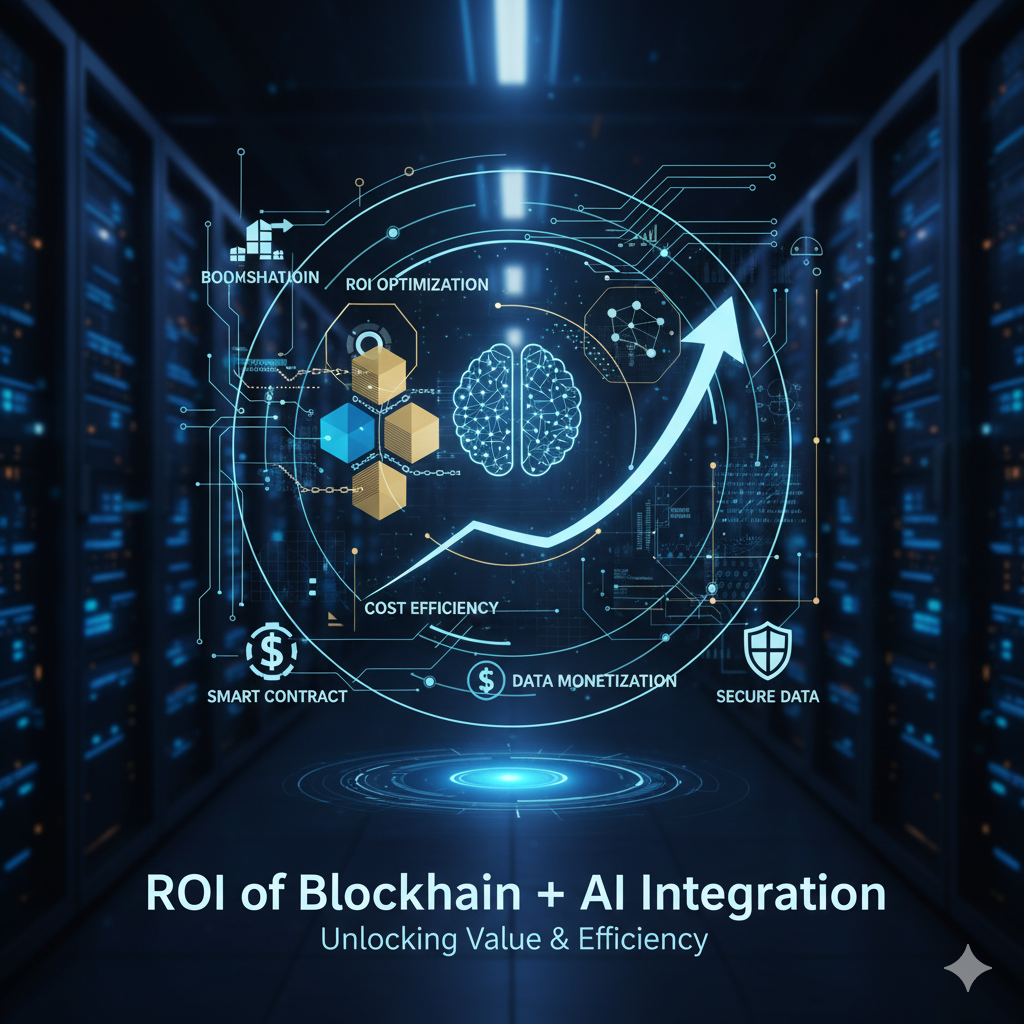
Investments in blockchain and AI are no longer experimental—they deliver measurable returns. Companies report reduced costs, faster shipping times, fewer disputes, and improved customer trust. The ROI extends beyond money—it creates resilience against global disruptions.
Conclusion
By 2026, blockchain and AI are no longer optional in supply chain management—they are the backbone of a smarter, faster, and more transparent global economy. Enterprises that adopt these technologies now will not only cut costs but also gain the trust of consumers, regulators, and partners worldwide.