



Next-Gen Blockchain Security: What Enterprises Need in 2026
Introduction
As blockchain adoption continues to expand in 2026, enterprises are no longer asking if they should integrate blockchain—they are asking how to secure it. With billions of dollars moving through decentralized systems daily, security is the deciding factor between growth and collapse. This article explores the next generation of blockchain security solutions and what businesses must prioritize to stay ahead.
1. From Transparency to Trust: Why Security Matters

Blockchain was designed for transparency, but transparency does not always mean trust. Hackers are becoming more sophisticated, and enterprises must move beyond the basic promise of immutability. In 2026, blockchain security is about trust through layered protections, combining cryptography, AI monitoring, and smart contract auditing.
2. The Rise of Zero-Knowledge Proofs (ZKPs)

One of the most powerful tools reshaping blockchain security is zero-knowledge proofs. Enterprises use ZKPs to validate transactions without revealing sensitive data. This innovation allows companies to meet compliance regulations while protecting client information. For industries like finance and healthcare, ZKPs are becoming indispensable.
3. AI-Powered Threat Detection

Artificial Intelligence is no longer optional in blockchain security. By analyzing massive data sets, AI can detect abnormal behavior in smart contracts, flagging vulnerabilities before an attack occurs. Enterprises in 2026 are embedding AI into every level of their blockchain infrastructure to create proactive defense mechanisms.
4. Multi-Layer Identity Management

Identity theft remains a major threat in digital ecosystems. Enterprises now rely on decentralized identity (DID) frameworks combined with biometric authentication to secure access. This multi-layer approach ensures that even if one layer is breached, critical data remains protected.
5. Post-Quantum Cryptography Readiness

Quantum computing is no longer a distant possibility—it’s on the horizon. Forward-thinking enterprises in 2026 are preparing for the post-quantum era by adopting cryptographic algorithms resistant to quantum attacks. Businesses that fail to prepare risk losing the backbone of their security once quantum technology matures.
6. Smart Contract Auditing as a Standard

Unsecured smart contracts have cost enterprises millions in the past. By 2026, routine auditing has become a non-negotiable requirement. Businesses are hiring specialized blockchain auditors to test, simulate, and verify contracts before deployment. This step ensures stability and reduces legal and financial risks.
7. Regulatory Compliance and Governance
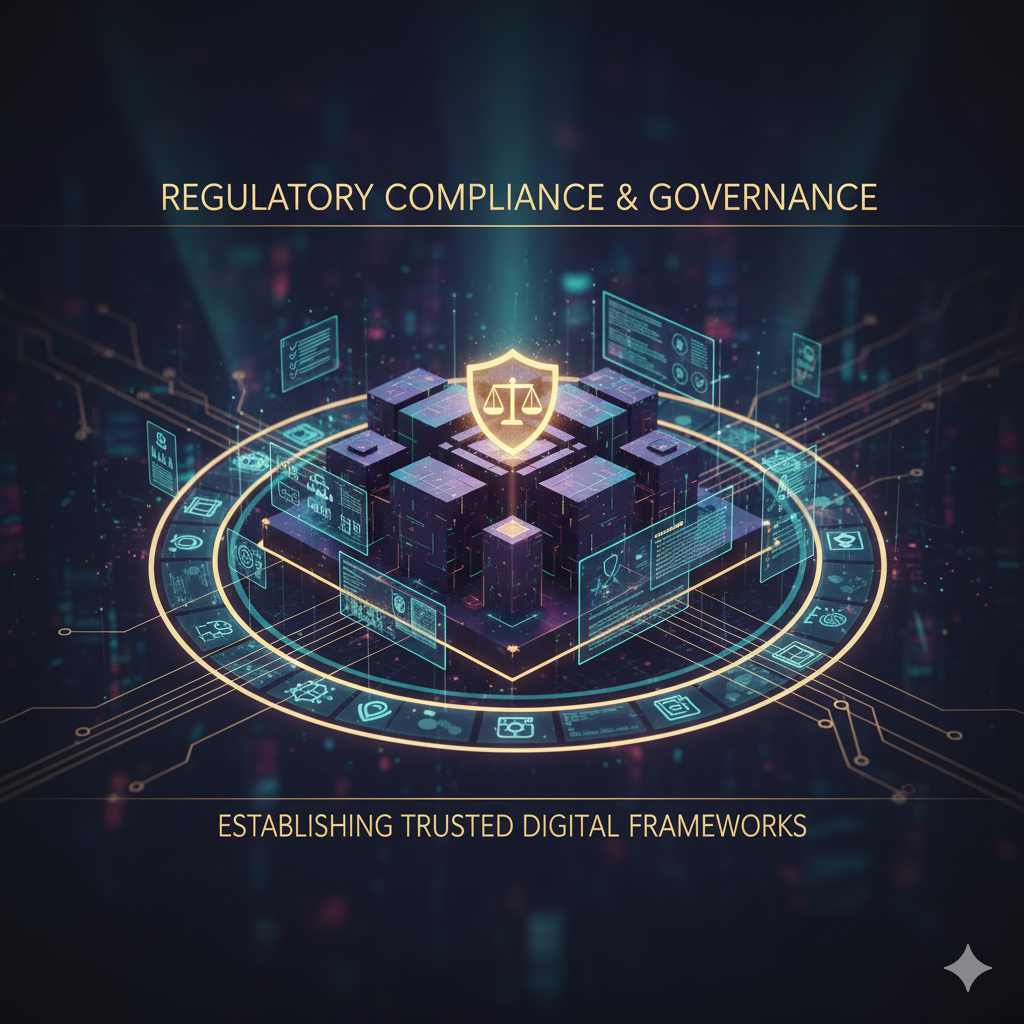
Governments are catching up with blockchain adoption, and compliance is now a central part of enterprise security strategy. New frameworks require businesses to align with global standards for data protection, identity verification, and anti-money laundering practices. Companies that integrate compliance from the ground up will maintain a competitive advantage.
8. Decentralized Security Networks
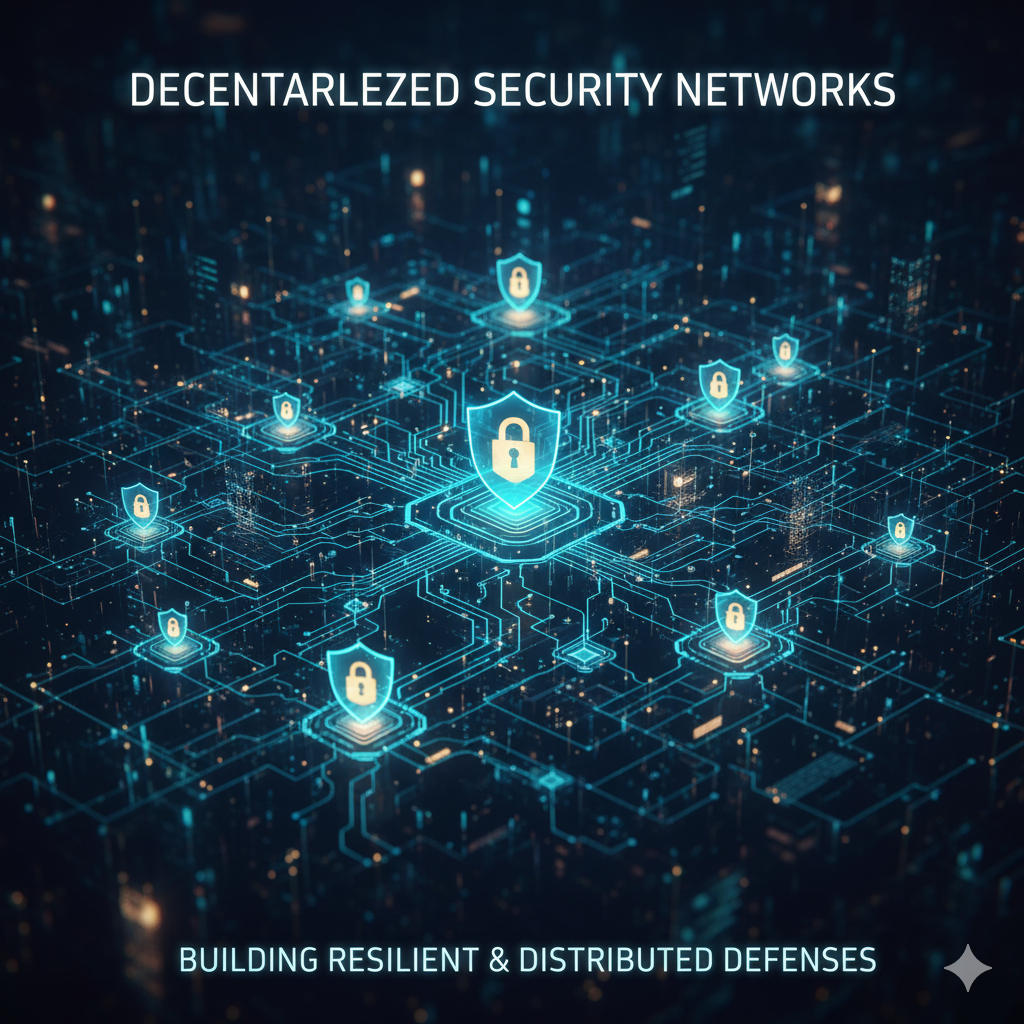
Enterprises are joining decentralized security networks—collaborative ecosystems where participants share threat intelligence across industries. This collective defense approach makes blockchain ecosystems more resilient and reduces the impact of large-scale attacks.
Conclusion
Blockchain in 2026 is about much more than innovation—it’s about trust. Enterprises that prioritize next-generation security practices are building systems capable of withstanding future threats, from AI-driven cyberattacks to quantum computing breakthroughs. The companies that treat security as a foundation, not an afterthought, will lead the blockchain revolution into the next decade.